

Construction bookkeeping tells a contractor which jobs are earning their expected margin, which bills are coming due, and how much cash is waiting on customer draws or retainage. Assign each cost to the right job and compare actual costs, open commitments, and estimated costs to complete against the latest approved contract value.
What can job-level records tell a contractor?
Suppose a job has $100,000 in approved contract value, $58,000 in costs posted, and another $30,000 in estimated costs to complete, including signed commitments. The projected job profit is $12,000 before any overhead excluded from that estimate. If the original cost budget was $80,000, the revised estimate is $8,000 over budget. Identify the affected cost codes and price any new scope before approving additional work. See construction bookkeeping fundamentals for setup and a work-in-progress schedule example for tracking forecast costs alongside billings.

A Look at Construction Bookkeeping: Beyond the Basics
For construction companies, bookkeeping isn’t limited to tracking costs and income, it’s an organized method for recording, tracking, and analyzing financial data specific to the industry. Unlike generic bookkeeping, construction bookkeeping uses specialized software, like QuickBooks or Xero, tailored to the nuances of construction finance. These tools are designed to streamline financial management and adapt to the specific financial needs of construction businesses. With the support of professional bookkeeping services, construction companies can keep their financial records accurate, comply with industry standards, and make well-informed business decisions.
Why Construction Companies Need Reliable Bookkeeping
Construction bookkeeping is essential for numerous reasons:
Transparent Financial Records
With accurate records, construction companies can clearly see where each dollar is spent and earned. This transparency is key to budgeting, allowing contractors to avoid unexpected expenses and stay within financial constraints.
Compliance with Tax and Financial Regulations
Effective bookkeeping ensures construction businesses adhere to all tax and financial obligations, which minimizes legal risks and avoids potential penalties. Moreover, it enables construction firms to produce precise financial reports essential for securing loans or attracting investors.
Regular Financial Monitoring
Bookkeeping that includes regular monitoring helps construction businesses pinpoint what drives profitability, helping them optimize operations and improve their bottom line. Additionally, reliable bookkeeping exposes any financial inconsistencies or signs of fraud, ensuring the company’s financial integrity.
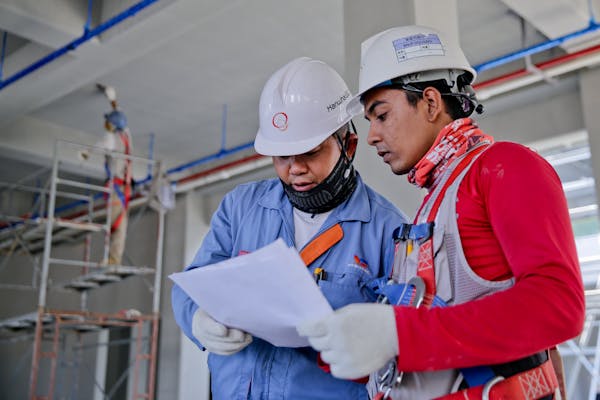
What Are the Advantages of Bookkeeping Services for Construction Companies?
Partnering with a professional bookkeeping service can provide construction companies with a host of advantages to address both financial and operational complexities. Here are some key benefits:
- Accurate Financial Tracking: Precise financial records are invaluable for any construction company. They provide a clear picture of the company’s financial health and allow management to make informed choices, ensuring compliance and instilling trust among clients and investors. Without reliable records, a company risks facing unforeseen financial issues and legal complications.
- Job Costing: For construction companies, job costing is essential to determine the expenses linked to each project. By tracking expenses on a per-job basis, companies can assess the profitability of individual projects, adjust budgets accordingly, and set informed pricing for future projects. Proper job costing not only improves the financial viability of projects but also helps construction companies prioritize the most lucrative contracts.
- Cash Flow Management: Maintaining a steady cash flow is vital for construction companies, given their substantial upfront costs and staggered revenue streams. Effective cash flow management ensures there are sufficient funds to cover expenses such as payroll and materials. It prevents delays, enables timely project delivery, and supports sustainable growth. Without it, construction firms may face financial shortfalls, strained partnerships, or even insolvency. JPMorgan Chase Institute research found the median small business holds only 27 cash buffer days of reserves, and contractors carrying heavy upfront material and payroll costs against slow draw and retainage payments often have even less room, which makes disciplined forecasting essential. Our free 13-week cash flow template helps contractors project inflows and outflows across staggered draw and retainage schedules.
- Compliance with Industry Regulations: Construction is a heavily regulated industry, with specific tax and financial reporting standards. Bookkeeping plays a critical role in keeping construction companies compliant with these regulations. Staying compliant protects a company from fines and maintains its credibility with clients, partners, and investors, fostering smoother business operations.
- Efficient Billing and Invoicing: Timely payments are essential in the construction industry, and efficient billing and invoicing processes ensure prompt payment collections and maintain cash flow. With streamlined bookkeeping, construction companies can minimize billing disputes, accelerate payments, and create a stable financial foundation. This efficiency is key to managing payroll and maintaining healthy relationships with clients and subcontractors.
- Inventory Tracking: In construction, tracking inventory is essential to manage materials effectively. See our inventory management systems for small businesses. Precise inventory tracking reduces waste, prevents theft, and avoids project delays due to insufficient materials. This approach allows companies to fine-tune procurement strategies, reduce holding costs, and ensure materials are available when needed.
- Financial Forecasting: Financial forecasting enables construction companies to predict future financial scenarios based on past trends. This helps in effective planning, resource allocation, and risk mitigation. By forecasting, businesses can anticipate potential obstacles and capitalize on growth opportunities, making them more resilient in an unpredictable market.
- Time Savings Through Automation: In the construction industry, time is a valuable resource. Automating repetitive financial tasks with bookkeeping software can save significant time, reduce errors, and improve overall efficiency. Streamlined operations enable companies to focus on core business activities, increasing productivity and supporting timely project completion.
- Informed Decision-Making: Data-driven decision-making is a cornerstone of successful construction businesses. With organized financial records, companies can assess profitability, forecast challenges, and spot opportunities for growth. Armed with accurate data, managers can make strategic choices about expansions, investments, and resource allocation.
- Professionalism and Reliability: Maintaining professional and well-organized financial records is essential for construction firms. It inspires trust among clients, partners, and investors, bolstering the company’s reputation. This professionalism not only helps secure contracts and collaborations but also supports long-term success.

Case Study: Contractor Payments and a Cost-Overrun Audit
When a ground-up construction business scaled faster than its in-house accounting could keep up, we provided rapid staffing that integrated into the client’s existing systems and ran contractor and subcontractor invoices, payments, and bank loan draws end to end. Once projects stabilized, the leadership team still lacked visibility into where costs were running over, so we stood up a team of construction accountants for a forensic review of invoices and contracts, categorized every line item, and delivered a custom cost-overrun dashboard for ongoing management. Read the full contractor payments and cost-overrun audit case study for the details.
In Conclusion: Bookkeeping as a Strategic Tool for Construction Success
Effective bookkeeping goes beyond managing numbers, it is a strategic tool that supports growth, compliance, and financial stability. From maintaining transparency and managing cash flow to helping secure financing and reducing risks, bookkeeping is a must for any construction company aiming for long-term success. In an industry defined by complexity and competition, well-organized financial records and insights offer a competitive advantage.
At Remote Financial Services, we specialize in supporting construction companies by providing tailored bookkeeping services. We use industry-specific software to manage financial records remotely, saving you both time and effort. Review our construction bookkeeping services and construction cost-overrun case study to see how the work connects job costing, payments, and reporting. Book a discovery call to learn how our services can help you achieve greater financial control and peace of mind. Let’s make bookkeeping work for you, so you can focus on building your business.