

Managing a trucking company presents a range of financial hurdles, from monitoring freight revenue to controlling fuel expenses. The intricacies of transportation accounting can be daunting. At Remote Financial Services, we are equipped to help you navigate these challenges. Our tailored accounting services address the specific needs of the trucking industry, ensuring your operations remain efficient and profitable.
Quick answer: Trucking companies need specialized accounting because their finances depend on freight revenue, fuel costs, vehicle depreciation, driver payroll, maintenance, and fuel tax compliance that generic bookkeeping rarely captures. A transportation accountant tracks revenue by lane or load, categorizes fuel and toll expenses, manages per-vehicle depreciation and maintenance schedules, handles driver payroll and 1099s, and prepares IFTA and fuel tax returns. Precise cost tracking is what protects profitability in a margin-sensitive industry.
Why do trucking companies need specialized accounting?
Freight is a high-revenue, thin-margin business, and the costs that decide whether a load actually made money are exactly the ones a generic profit and loss statement blurs together. The American Trucking Associations reports that trucks moved roughly 72.7 percent of the nation’s freight by weight in 2024, and with more than 2 million heavy and tractor-trailer truck drivers working in the US at a median wage of $57,440 in May 2024, driver pay and fuel dominate the cost structure. Specialized accounting exists to make those costs visible per truck and per lane instead of as one lump expense. A transportation-focused bookkeeper separates fuel, tolls, and maintenance by vehicle, tracks per-vehicle depreciation, handles the mix of employee drivers and owner-operators on 1099s, and prepares the state IFTA returns plus the federal filings the IRS Trucking Tax Center requires, such as the Form 2290 heavy highway use tax. Connecting trucking accounting to the industry finance hub and our inventory management guide keeps vehicle and parts costs visible.
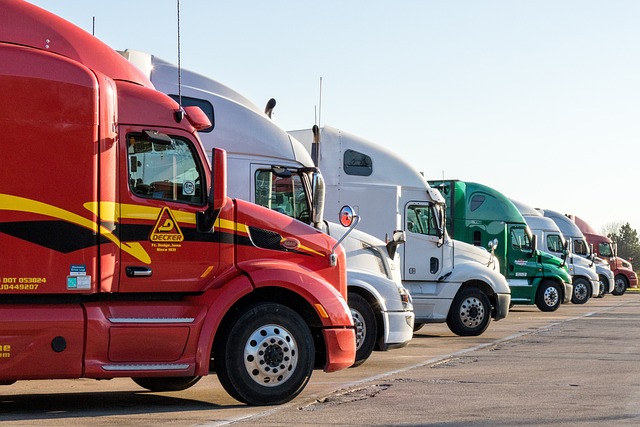
Freight Revenue Monitoring
Accurately tracking revenue from freight services is a critical aspect of trucking business finances. Whether your company handles long-distance hauls, local deliveries, or specialized shipments, we track your revenue by lane and load with precision, giving you the financial insight you need for smart business planning.
How Do You Manage Fuel and Operational Expenses?
Fuel is a major expense in the transportation sector. We carefully document and categorize all your operating costs, from fuel purchases to vehicle maintenance, insurance, and tolls. This meticulous tracking allows for better budgeting and enhances operational efficiency.
Vehicle Maintenance and Asset Depreciation
Effective asset management is crucial in trucking. We handle all aspects, including tracking repairs, maintenance schedules, and calculating vehicle depreciation. This per vehicle tracking is similar to the job costing contractors use. This ensures your financial records reflect the true value of your assets.
Payroll and Workforce Management
Handling payroll for drivers and support staff requires accuracy and compliance with labor laws. We manage your payroll, ensuring timely payments and adherence to legal standards for driver and staff compensation. Deciding whether a driver should be a company employee or an owner-operator on a 1099 changes your tax and insurance costs significantly. Run both scenarios with our free 1099 vs W-2 cost calculator, which loads payroll taxes, workers comp, and benefits onto the W-2 side so you compare true cost, not just the pay rate.
Financial Reporting and Tax Obligations
We generate comprehensive financial reports, including balance sheets, income statements, and cash flow reports, giving you a clear picture of your company’s financial health. We also handle all tax obligations, including income and fuel tax compliance, ensuring your business meets regulatory requirements.
Audit Support and Compliance
Should your company face an audit, we ensure all financial records are organized, compliant, and up to industry standards. We guide you through the audit process, reducing stress and ensuring smooth completion.
Software Integration for Streamlined Operations
Leveraging the right software can significantly improve your company’s logistics and financial management. We integrate seamlessly with top accounting and fleet management software. Our team, certified as QuickBooks Pro Advisors, ensures you maximize these tools for better management of your trucking operations.

Why Remote Financial Services Stands Out
- Expertise: Our team has specialized knowledge in the financial management of transportation companies.
- Efficiency: We optimize your accounting processes, allowing you to focus on logistics and business growth.
- Security: Protecting your financial data is our priority. We use advanced security protocols to safeguard your information.
- Compliance: Your records will always be accurate, audit-ready, and compliant with transportation industry regulations and tax laws.
Choosing Remote Financial Services as your accounting partner ensures your trucking company runs smoothly, giving you more time to focus on growth and customer service.
Ready to see profit by truck and by lane?
If your reports do not show which vehicles, drivers, and routes actually make money, book a discovery call with Remote Financial Services. We will set up per-vehicle profitability tracking, IFTA-ready fuel records, and clean driver payroll so you can make routing and hiring decisions on real numbers.